
Kharna and Thekua Photo Prompts (2026): 8 Chhath Puja Family Kitchen and Prasad Portraits for Gemini, ChatGPT and Grok
Before the ghat comes the kitchen. In the days leading up to Chhath Puja, families wash and sun-dry wheat, grind it, knead it with jaggery and ghee, press the dough into carved moulds and fry hundreds of golden thekua, while Kharna evening brings jaggery kheer, wheat roti and the start of the long fast. These eight prompts turn those warm, busy family moments into realistic festival photos.
Upload a clear family photo where every face is visible, copy a prompt and paste it into Gemini (Nano Banana), ChatGPT or Grok. Every prompt keeps every face unchanged and spells out the outfit, the setting, the light and the camera, so the result looks like a real festival photograph instead of a filter. Each prompt describes what the women, men, children and elders are wearing and doing, so it works for any family size.
How to use these prompts
- Tap Copy Prompt on any card below, or use the Gemini, ChatGPT or Grok button to open that app with the prompt ready.
- Upload a clear family photo where every face is visible. Good daylight, no sunglasses and an uncovered face give the most accurate result.
- Paste the prompt into the same message as the photo and send it.
- If something needs fixing, ask for one change at a time, such as a different outfit colour or a wider frame, so every face stays the same.
8 Kharna and thekua family photo prompts
Video tutorial: how to use these prompts
1. Drying Wheat on the Rooftop

Use the uploaded family photo and keep every face, feature and skin tone exactly the same. Keep every person's face shape, age, height difference and body proportions as they are, do not beautify, smooth, swap or replace any face, and do not add or remove anyone. Create a vertical 4:5 ultra-photorealistic candid lifestyle photo of our family on the rooftop in bright morning sun, spreading freshly washed wheat on a large white cotton sheet to dry for the Chhath thekua. The women wear simple yellow and orange cotton sarees with red borders, pallus tucked at the waist, glass bangles and small bindis; the men wear white vests or light cotton kurtas with pyjamas and a gamchha on the shoulder; the children wear bright cotton t-shirts and shorts or frocks; any elders wear a cream saree or kurta and sit on a low stool watching. Everyone is barefoot. The women spread the wheat evenly with their palms, a man stands guard holding a long stick with a cloth tied to it to keep birds away, and the children laugh as they run a finger through the grains. Around us are a brick parapet, potted tulsi and marigold plants, a steel bucket and sieve, a stack of bamboo soops in the shade and neighbouring rooftops with water tanks softly blurred. Bright, warm morning sunlight comes from above-right with crisp natural shadows and a warm glow on the golden wheat. Shot on a 35mm lens at f/4 from a slightly high angle, wide three-quarter group framing, with the wheat sheet in the foreground. Colour palette of wheat gold, yellow, white and sky blue; mood cheerful, busy and traditional. Natural skin texture, realistic fabric folds and jewellery shine, sharp focus on the eyes, high detail; no text, no watermark, no extra or missing people, no distorted hands or fingers, and every face exactly as in the uploaded photo.
Tip: Ask for a crow or two on the parapet for a playful, true-to-life detail.
2. Kneading Thekua Dough Together

Use the uploaded family photo and keep every face, feature and skin tone exactly the same. Keep every person's face shape, age, height difference and body proportions as they are, do not beautify, smooth, swap or replace any face, and do not add or remove anyone. Create a vertical 4:5 ultra-photorealistic candid photo of our family sitting in a circle on a kitchen floor mat, kneading thekua dough with jaggery and ghee in a big brass parat. The women wear mustard and green cotton sarees with simple borders, sleeves and bangles pushed up the forearms and small bindis; the men wear pale blue and white cotton kurtas with sleeves rolled up; the children wear soft cotton kurtas or frocks with small aprons; any elders wear cream with a light shawl and guide the others. Everyone is barefoot. One woman presses the dough with her fists, an elder adds ghee from a small steel bowl, a man pours melted jaggery syrup from a pan, and a child pinches off a small piece with a mischievous grin. Around us are bags of whole-wheat flour, a bowl of grated coconut, fennel seeds, cardamom, a jar of ghee, a stack of steel plates and a clay diya in a wall niche, softly blurred. Warm afternoon daylight comes through a side window, soft and golden, with gentle shadows on the dough and hands. Shot on a 35mm lens at f/2.8 from a slightly high angle, three-quarter group framing, with the parat in the centre. Colour palette of mustard, green, jaggery brown and brass gold; mood warm, playful and homely. Natural skin texture, realistic fabric folds and jewellery shine, sharp focus on the eyes, high detail; no text, no watermark, no extra or missing people, no distorted hands or fingers, and every face exactly as in the uploaded photo.
Tip: Add a small bowl of grated coconut and fennel seeds for a more detailed recipe scene.
3. Pressing Thekua in Wooden Moulds

Use the uploaded family photo and keep every face, feature and skin tone exactly the same. Keep every person's face shape, age, height difference and body proportions as they are, do not beautify, smooth, swap or replace any face, and do not add or remove anyone. Create a vertical 4:5 ultra-photorealistic close lifestyle photo of our family around a large steel thali, pressing rounds of dough into carved wooden thekua moulds to stamp the patterns. The women wear orange and red cotton silk sarees with gold borders, pallus over the shoulder, glass bangles and small bindis; the men wear cream and mustard cotton kurtas; the children wear yellow and green kurtas or frocks; any elders wear soft white with a maroon shawl. Everyone is barefoot on a woven floor mat. An elder shows a child how to press the dough into the mould, a woman lifts out a perfectly patterned piece with a proud smile, and a man lines up the stamped thekua neatly on a tray. Around us are several carved wooden moulds with sun, flower and leaf patterns, rows of raw stamped thekua on steel trays, a bowl of dough, a jar of ghee and marigold strings on the kitchen doorway, softly blurred. Warm, soft tungsten kitchen light comes from above with a golden glow from a window, gentle shadows and a cosy feel. Shot on a 50mm lens at f/2.8 from slightly above, three-quarter group framing, with the moulds and thali in the foreground. Colour palette of orange, red, wood brown and dough gold; mood patient, loving and traditional. Natural skin texture, realistic fabric folds and jewellery shine, sharp focus on the eyes, high detail; no text, no watermark, no extra or missing people, no distorted hands or fingers, and every face exactly as in the uploaded photo.
Tip: Ask for a close-up of the carved mould pattern in the foreground for a detailed food shot.
4. Frying Thekua in the Big Kadai

Use the uploaded family photo and keep every face, feature and skin tone exactly the same. Keep every person's face shape, age, height difference and body proportions as they are, do not beautify, smooth, swap or replace any face, and do not add or remove anyone. Create a vertical 4:5 ultra-photorealistic festive photo of our family in an open-air courtyard kitchen at night, frying thekua in a huge iron kadai on a clay chulha. The women wear deep yellow and maroon cotton sarees, pallus tucked firmly at the waist away from the fire, red bangles and bindis; the men wear white kurtas with sleeves rolled up and saffron gamchhas tied around their heads; the children wear warm sweaters over their kurtas or frocks; any elders wear cream with a woollen shawl. Everyone is barefoot. A woman slides stamped thekua into the bubbling ghee with a slotted ladle, a man feeds mango wood into the chulha, the elders supervise from a charpai, and the children watch from a safe distance behind an adult with wide, excited eyes. Around us are big steel trays piled with golden fried thekua, a tin of ghee, stacks of bamboo soops, sugarcane stalks leaning against a wall and small diyas on the courtyard steps. The light is a warm orange glow from the fire and the chulha, with soft amber fill, gentle smoke haze and dark night shadows. Shot on a 35mm lens at f/2 from eye level, three-quarter group framing, with the kadai in the foreground. Colour palette of maroon, yellow, ember orange and thekua gold; mood lively, warm and festive. Natural skin texture, realistic fabric folds and jewellery shine, sharp focus on the eyes, high detail; no text, no watermark, no extra or missing people, no distorted hands or fingers, and every face exactly as in the uploaded photo.
Tip: If your family uses a gas stove, replace the chulha with a large steel burner and keep everything else.
5. Kharna Puja on a Banana Leaf

Use the uploaded family photo and keep every face, feature and skin tone exactly the same. Keep every person's face shape, age, height difference and body proportions as they are, do not beautify, smooth, swap or replace any face, and do not add or remove anyone. Create a vertical 4:5 ultra-photorealistic devotional photo of our family in the prayer room on Kharna evening, as the fasting mother offers jaggery kheer and wheat roti on a fresh banana leaf. The mother wears a new yellow cotton silk saree with a red border, the pallu over her head, red and gold bangles and a red bindi, with long orange sindoor if she wears it; the other women wear red and yellow sarees; the men wear cream kurtas with saffron stoles; the children wear yellow kurtas or frocks; any elders wear white and cream. Everyone is barefoot. The mother sits in front of the offering with folded hands and closed eyes, and the family sits quietly behind her in a row, hands folded, heads slightly bowed, the children trying to stay still. In front of her are the banana leaf with kheer in a clay bowl, rotis, a banana and a lit brass diya, with a clay kalash, sugarcane pieces and marigold garlands, and the room softly lit and simple. The light is warm golden diya glow and a small overhead bulb, with soft amber highlights on every face and deep, calm shadows. Shot on a 35mm lens at f/2.2 from a slightly high angle behind the family, three-quarter group framing, with the mother and the offering in the centre. Colour palette of yellow, red, banana-leaf green and diya gold; mood quiet, sacred and respectful. Natural skin texture, realistic fabric folds and jewellery shine, sharp focus on the eyes, high detail; no text, no watermark, no extra or missing people, no distorted hands or fingers, and every face exactly as in the uploaded photo.
Tip: Add a small brass bell in the vratin's hand if your family rings one during the puja.
6. Kharna Prasad Shared on Banana Leaves

Use the uploaded family photo and keep every face, feature and skin tone exactly the same. Keep every person's face shape, age, height difference and body proportions as they are, do not beautify, smooth, swap or replace any face, and do not add or remove anyone. Create a vertical 4:5 ultra-photorealistic candid photo of our family sitting in a row on a floor mat after the Kharna puja, eating the prasad of jaggery kheer and roti from banana leaves. The women wear orange and pink cotton sarees with simple borders, glass bangles and small bindis; the men wear white and mustard kurtas with pyjamas; the children wear festive cotton kurtas or frocks; any elders wear cream with a light shawl. Everyone sits barefoot cross-legged. We eat with our right hands, a child licks kheer from a finger with a big grin, an elder smiles fondly at the child and the others laugh and talk. In front of each person is a banana leaf with a small clay bowl of kheer and folded rotis, and around us are a brass pot of kheer, a steel jug of water, a clay diya on a wooden stool and marigold strings on the doorway, softly blurred. Warm, soft overhead light mixes with the diya glow, giving golden highlights and a cosy evening feeling. Shot on a 35mm lens at f/2.8 from a slightly high angle along the row, three-quarter group framing, with the row receding diagonally. Colour palette of orange, pink, banana-leaf green and kheer cream; mood joyful, together and grateful. Natural skin texture, realistic fabric folds and jewellery shine, sharp focus on the eyes, high detail; no text, no watermark, no extra or missing people, no distorted hands or fingers, and every face exactly as in the uploaded photo.
Tip: Ask for neighbours' hands reaching in from the edge of the frame for a community feel without extra faces.
7. Packing the Daura at Night
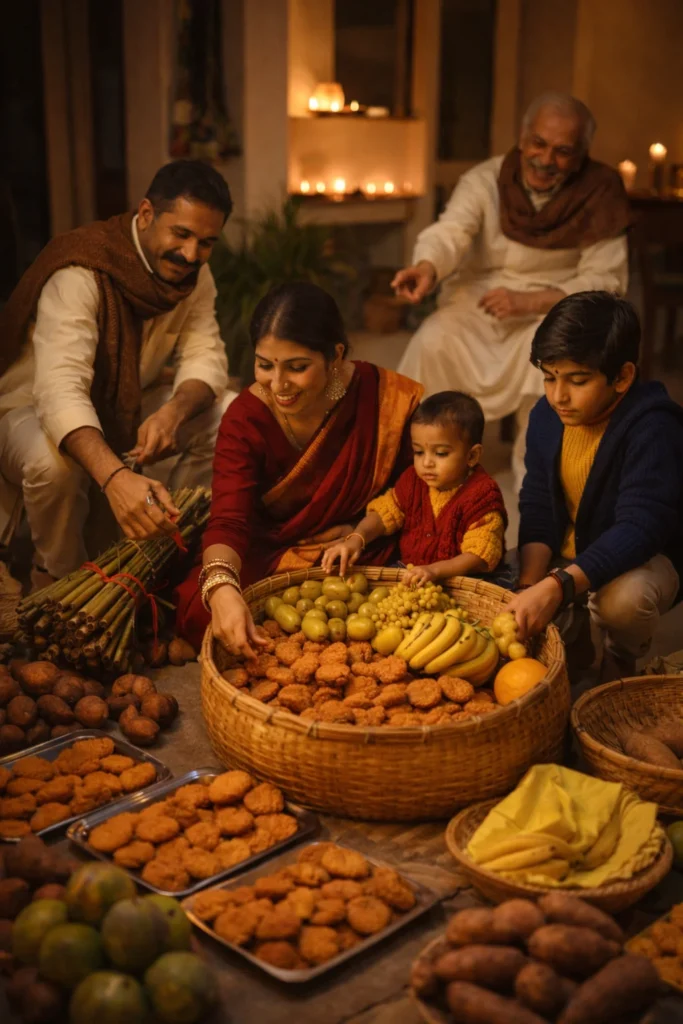
Use the uploaded family photo and keep every face, feature and skin tone exactly the same. Keep every person's face shape, age, height difference and body proportions as they are, do not beautify, smooth, swap or replace any face, and do not add or remove anyone. Create a vertical 4:5 ultra-photorealistic candid photo of our family packing the bamboo daura and soops late at night before Sandhya Arghya, in the lamp-lit living room. The women wear maroon and saffron cotton silk sarees, pallus over the shoulder, bangles and bindis; the men wear cream kurtas with brown woollen shawls; the children wear warm sweaters over yellow kurtas or frocks; any elders wear white with a thick shawl and sit on a chair overseeing. Everyone is barefoot. The women place golden thekua and fruit in neat layers in the big daura, a man ties sugarcane stalks into a bundle with red thread, a child carefully counts bananas into a soop, and an elder points and gives instructions with a smile. Around us are dozens of thekua on steel trays, coconuts, citrons, sweet potatoes, water chestnuts, turmeric and ginger plants, stacks of soops, a folded yellow cloth to cover the daura and small diyas on a shelf. Warm lamp and diya light fills the room, golden and soft, with gentle shadows and a cosy late-night mood. Shot on a 35mm lens at f/2.8 from eye level, wide three-quarter group framing, with the daura in the foreground. Colour palette of maroon, saffron, thekua gold and fruit green; mood busy, organised and loving. Natural skin texture, realistic fabric folds and jewellery shine, sharp focus on the eyes, high detail; no text, no watermark, no extra or missing people, no distorted hands or fingers, and every face exactly as in the uploaded photo.
Tip: Ask for a printed checklist hidden under a thali if you want a cute modern detail without visible text.
8. Rolling Rice Ladua for the Soop
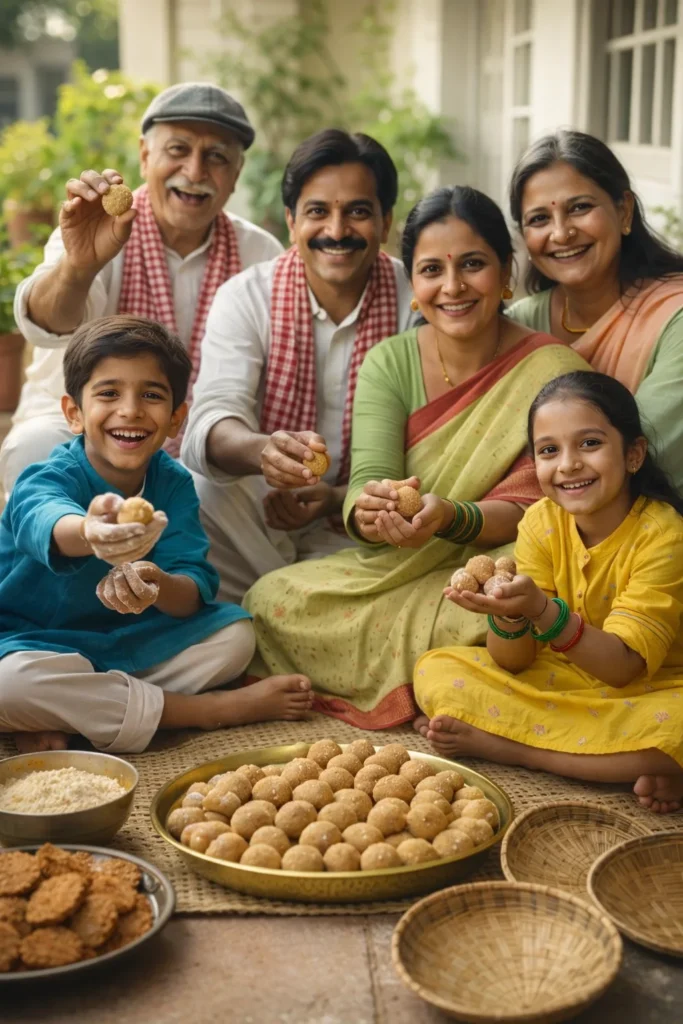
Use the uploaded family photo and keep every face, feature and skin tone exactly the same. Keep every person's face shape, age, height difference and body proportions as they are, do not beautify, smooth, swap or replace any face, and do not add or remove anyone. Create a vertical 4:5 ultra-photorealistic close lifestyle photo of our family sitting together in a sunny verandah, rolling rice-flour ladua with jaggery to place in the Chhath soops. The women wear light green and peach cotton sarees with red borders, sleeves pushed up, glass bangles and small bindis; the men wear white kurtas with sleeves rolled and a red and white checked gamchha; the children wear bright cotton outfits with flour on their fingers; any elders wear cream and roll the ladua with practised hands. Everyone is barefoot on a woven mat. Each person rolls a small round ball between their palms, an elder holds up a perfect ladua and laughs, and a child proudly shows a lopsided one. Around us are a big brass plate of finished ladua, a bowl of roasted rice flour and jaggery, a tray of thekua, bamboo soops waiting to be filled and potted plants along the verandah, softly blurred. Bright, soft afternoon daylight falls from the side with gentle shadows on the hands and food. Shot on a 50mm lens at f/2.8 from slightly above, three-quarter group framing, with the brass plate of ladua in the foreground. Colour palette of light green, peach, jaggery brown and rice cream; mood relaxed, playful and close. Natural skin texture, realistic fabric folds and jewellery shine, sharp focus on the eyes, high detail; no text, no watermark, no extra or missing people, no distorted hands or fingers, and every face exactly as in the uploaded photo.
Tip: Swap the ladua for kasar or sweet potato offerings if those are part of your family's soop.
What to wear for kitchen and Kharna photos
Kitchen and Kharna scenes look best in simple, comfortable festive cotton. Bright colours keep the mood joyful, while practical details such as tucked pallus and rolled sleeves make the photos believable.
Everyday cotton for cooking
Light cotton sarees and kurtas in yellow, orange, green and mustard look natural for drying wheat, kneading and frying. Mention tucked pallus and pushed-up bangles so the scene looks like real work.
New clothes for the Kharna puja
The fasting member usually wears new or freshly washed clothes for the Kharna puja, often a yellow or red saree. The rest of the family can wear slightly dressier cotton silk for the prasad photo.
Warm layers for late nights
Thekua frying and daura packing often happen late, so shawls for adults and sweaters for children look natural in those prompts and add rich colour.
Tips for better results
- Keep children at a safe distance from the chulha and hot ghee in every prompt.
- Name the food clearly, such as thekua, rasiya kheer, wheat roti and rice ladua, so the AI does not invent other dishes.
- Ask for steam, smoke haze or flour dust to make kitchen scenes feel alive.
- If the AI adds or removes family members, reply with the exact number of people and ask it to keep every face.
More Chhath Puja prompts
After the kitchen comes the ghat, and there are prompts for that too. Open the Chhath Puja image prompts hub for every prompt in one gallery, or try first Chhath prompts for newly married couples, Usha Arghya sunrise prompts, Sandhya Arghya sunset prompts, Chhath Puja dhoti kurta prompts for men. For other festivals, browse all family prompts.
Frequently asked questions
What is Kharna in Chhath Puja?
Kharna is the second day of Chhath Puja. The fasting devotee eats rasiya kheer and wheat roti after an evening puja and then begins the long fast without water until the dawn offering.
What is thekua?
Thekua is a crisp, sweet biscuit made from wheat flour, jaggery and ghee, stamped with a carved mould and fried. It is the main prasad placed in every Chhath soop.
Can I use these prompts for a small family?
Yes. The prompts describe the women, men, children and elders separately, so the AI only uses the parts that match the people in your photo.
Are these Chhath Puja Kharna and thekua prompts free?
Yes. Every prompt on this page is free to copy, edit and reuse. Gemini, ChatGPT and Grok may limit how many images you can create on a free plan, so if an app stops you, wait for the limit to reset or paste the same prompt into another app.
More Chhath Puja prompts
 Chhath Puja Wishes for Friends in Hindi (2026): 8 Greeting Card Image Prompts with Your Photo and 16 Hindi Messages for Gemini, ChatGPT and Grok
 Chhath Puja Quotes in Hindi (2026): 8 Quote Card Image Prompts with Your Photo and 16 Hindi Suvichar for Gemini, ChatGPT and Grok
 Chhath Puja Shayari in Hindi (2026): 8 Shayari Card Image Prompts with Your Photo and 16 Two-Line Hindi Shayari for Gemini, ChatGPT and Grok
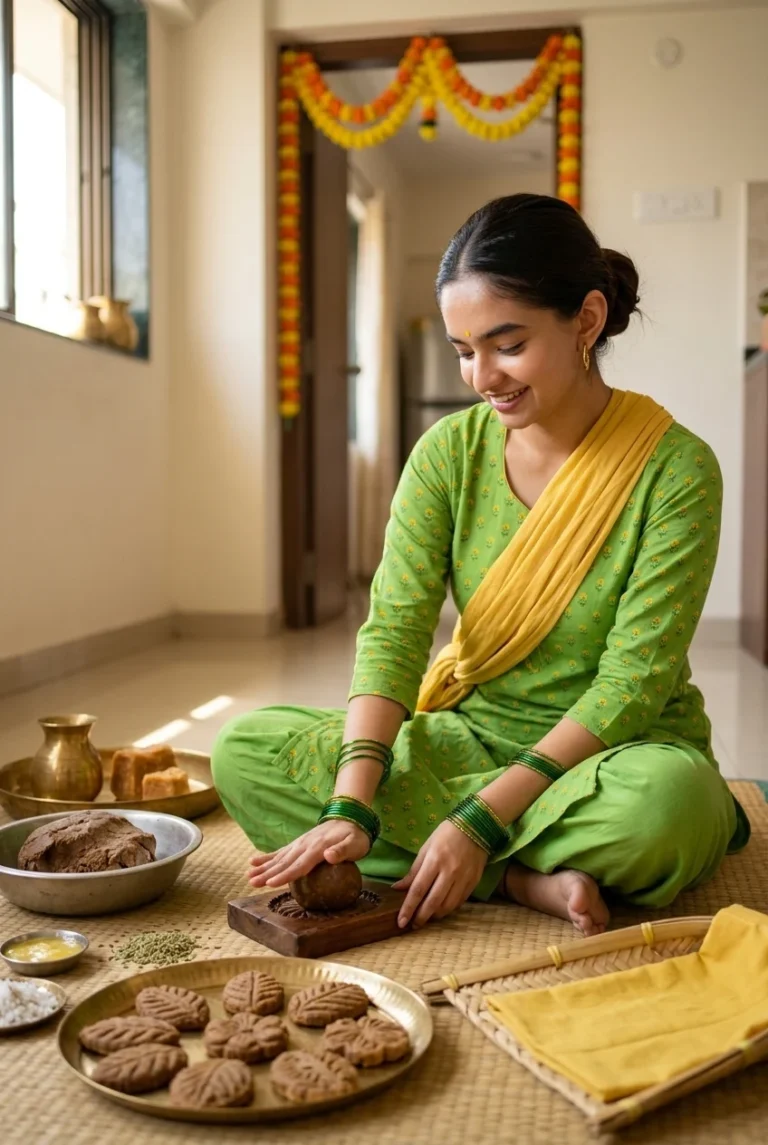 Chhath Puja Ultra 4K Photo Prompts for Girls (2026): 8 Graceful, Realistic Ghat Looks for Gemini, ChatGPT and Grok
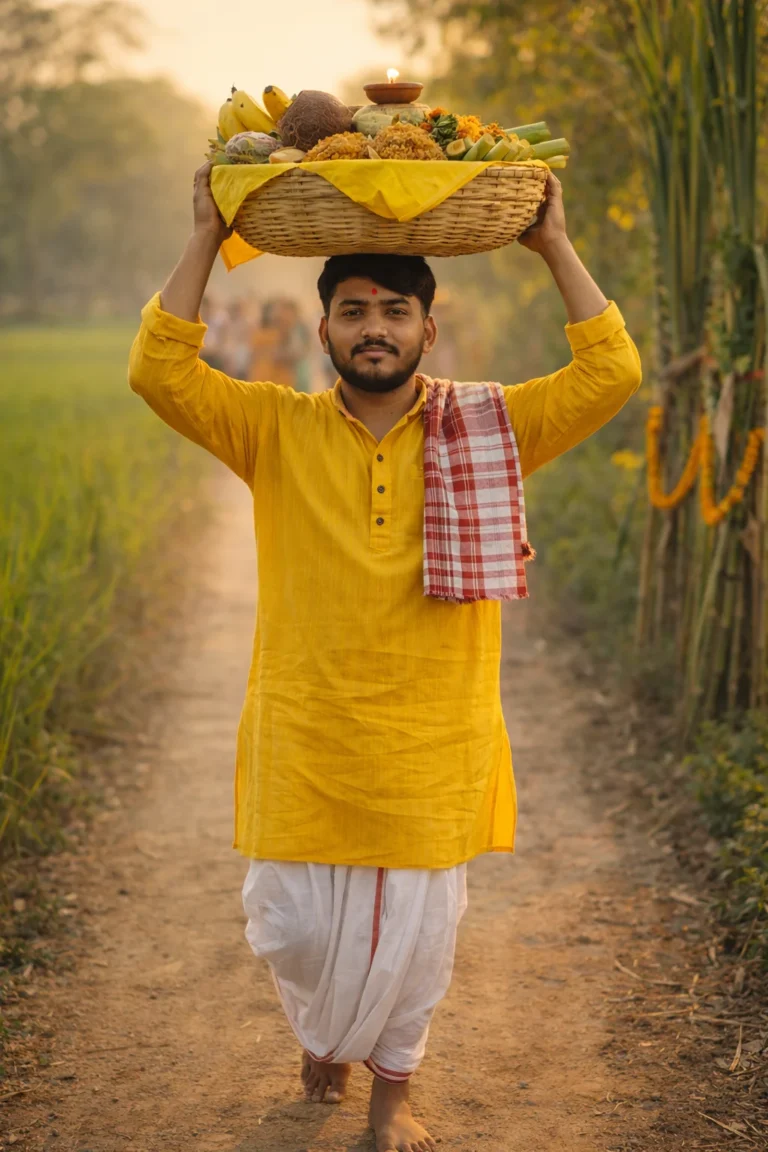 Chhath Puja Ultra 4K Photo Prompts for Boys (2026): 8 Sharp, Realistic Ghat Looks for Gemini, ChatGPT and Grok
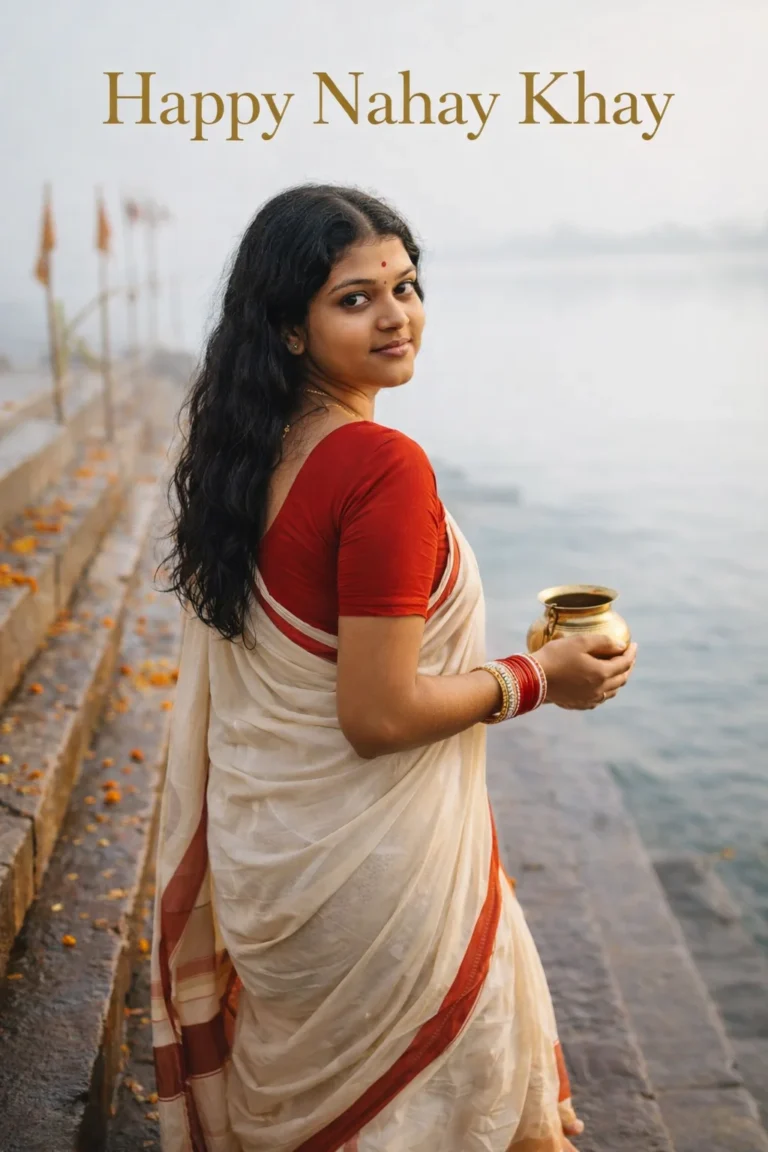 Day-Wise Chhath Puja Wishes (2026): Nahay Khay, Kharna, Sandhya and Usha Arghya Greeting Card Prompts and 16 Messages